THANK YOU FOR SUBSCRIBING

Hrtech Outlook Weekly Brief
Be first to read the latest tech news, Industry Leader's Insights, and CIO interviews of medium and large enterprises exclusively from Hrtech Outlook


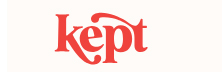
 Topher Reynoso, Founder
Kept addresses this gap by redefining offboarding as a structured transition rather than a checklist. Its platform extends beyond administrative tasks to include benefits guidance, career support and financial navigation.
“We don’t view offboarding as a termination of access, but as a critical transition of care,” says Topher Reynoso, founder.
Addressing Gaps in Traditional Offboarding
A key challenge for HR teams is balancing compliance requirements with meaningful employee engagement during departure. Many processes focus on documentation and system access removal, leaving employees without clear guidance on benefits, career next steps or financial considerations.
Kept addresses this by focusing on three areas often overlooked in traditional workflows: benefits transitions, job search support and financial assistance. This includes helping employees navigate COBRA options, explore alternative coverage and manage retirement account transitions.
The platform also improves the quality of exit interactions. HR teams can generate structured exit documents in real time, providing employees with actionable resources during interviews. This transforms exit discussions into guided conversations rather than administrative check-ins.
By aligning compliance with employee support, the platform enables organizations to deliver a more consistent and effective offboarding experience. It ensures employees leave with clarity on their next steps rather than uncertainty.
Offboarding processes often involve multiple systems, increasing complexity and the risk of delays or errors. Kept addresses this by integrating with existing benefits administration platforms, enabling faster onboarding for employers and consistent workflow execution.
The platform also manages compliance-heavy processes such as COBRA administration and subsidy handling. By automating these functions, it reduces manual workload and ensures that regulatory requirements are met consistently.
This integration of automation and compliance allows HR teams to focus on strategic priorities while maintaining accuracy and efficiency in offboarding workflows. It also reduces dependency on fragmented tools and manual tracking systems.
Demonstrating Impact through Time and Resource Savings
Kept’s approach is reflected in its work with organizations seeking to modernize employee departure processes. One example involved a company with an established HR team that lacked the resources to manage comprehensive offboarding support internally.
The organization faced challenges related to COBRA administration and employee guidance during transitions. Kept implemented an automated system that managed offboarding workflows, COBRA processes and subsidy handling.
The result was a measurable reduction in administrative workload. The HR team saved dozens of hours each month, allowing them to redirect resources toward current employees and organizational priorities.
This example highlights how structured offboarding systems can improve both efficiency and employee experience simultaneously while ensuring that compliance requirements are consistently met.
Looking ahead, workforce dynamics are evolving as automation and artificial intelligence reshape employment patterns. Organizations are placing greater emphasis on long-term relationships with employees, including those who have exited.
Kept is positioning itself to support this shift by treating former employees as part of an extended network. A structured offboarding experience can influence future hiring, referrals and employer reputation.
By focusing on transition support, compliance, and workflow efficiency, Kept enables organizations to manage employee departures in a way that supports both immediate needs and long-term outcomes while preserving the value of employee relationships.
Company
Kept
Management
Topher Reynoso, Founder
Description
Kept provides an employee offboarding platform that integrates compliance, automation, and employee support. It helps organizations manage benefits transitions, career guidance, and financial processes while reducing HR workload and improving the overall employee departure experience.