THANK YOU FOR SUBSCRIBING

Hrtech Outlook Weekly Brief
Be first to read the latest tech news, Industry Leader's Insights, and CIO interviews of medium and large enterprises exclusively from Hrtech Outlook
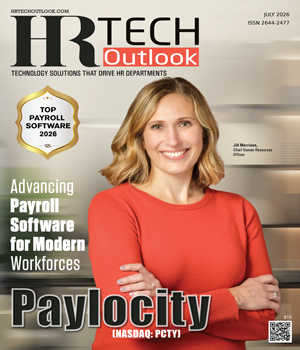
Payroll software is becoming increasingly complex as teams manage disconnected HR systems, changing tax and compliance requirements and growing pressure to deliver accurate pay without delays or administrative bottlenecks. Paylocity (NASDAQ: PCTY) connects payroll processing with HR operations, workforce management and employee engagement through a unified cloud-based platform. Serving organizations ranging from small businesses to enterprise environments, Paylocity combines payroll administration with tax management, time and attendance, benefits administration and operational analytics. Employee data connects directly with HR and workforce systems, allowing organizations to manage records, compensation, scheduling and reporting through a centralized environment rather than disconnected software layers. “When payroll truly works, everything else gets easier. Leaders get hours back, employees feel confident in every paycheck, and HR teams have more time to focus on strategy instead of administration,” says Jill Morrison, chief human resources officer. Connected Workforce Operations HR administration increasingly depends on connected scheduling, attendance tracking, employee records and compliance oversight, requiring systems that keep operational data aligned throughout day-to-day operations. Separate payroll and HR systems often create delays, duplicate administrative work and visibility gaps that affect both payroll accuracy and workforce coordination. Paylocity connects workflows with HR administration, workforce management and employee data within the same platform. Time tracking, scheduling and compensation records remain aligned throughout processing cycles, reducing operational friction created by disconnected systems. Automation also streamlines administrative operations through configurable workflows, audits, tax filing capabilities and compliance management functions designed to reduce repetitive manual processes. Centralized workflows improve operational visibility while helping HR and payroll teams manage operational complexity more efficiently. Reporting and workforce analytics provide organizations with insight into compensation activity, labor costs and employee trends. Connected workforce data informs broader operational planning and improves oversight across payroll administration and HR operations. The platform also helps organizations manage distributed teams through connected payroll and operational management tools designed to maintain visibility and continuity. Reducing Administrative Complexity for HR Teams Administrative workload continues to increase as HR departments manage administrative operations alongside onboarding, compliance requirements and employee service responsibilities. Manual processes and fragmented systems often increase operational inefficiencies while adding pressure on HR and administrative teams. Paylocity centralizes payroll administration with broader HR functions, allowing organizations to manage payroll, employee records, onboarding and administrative functions through the same environment. Integration between systems reduces duplicate data entry while limiting manual coordination between departments. Time and attendance management also connects directly with payroll workflows, maintaining alignment between scheduling, workforce activity and compensation processing. Employee information remains connected throughout payroll administration, improving consistency while reducing payroll discrepancies tied to disconnected workforce systems. Employee self-service functionality further reduces administrative burden by allowing employees to access pay records, tax forms, schedules and workplace information through digital and mobile platforms. Employees engage directly with payroll and workforce information without relying entirely on HR teams for routine administrative requests.
What limitations exist in traditional point-in-time background checks for workforce trust today? A hiring decision gets made in minutes. A background check clears. The file is complete, compliant, and neatly stored. For decades, that moment has defined how organizations measured trust. But in today’s environment, point-in-time verification is no longer enough. Rising fraud complexity and AI-driven identity manipulation have made static checks insufficient—and in some cases, risky. “A background check at hire is a photograph,” says Andrew Johnson, CEO. “What organizations actually need is a live feed. Yardstik was built to address that problem directly.” Founded in 2020, the company created the Human Trust Platform (HTP)—a platform enabling continuous workforce trust. It replaces static verification with real-time, ongoing insight into employee and contractor risk. This is not a refinement of legacy screening—it is a practical, scalable solution for modern organizations. From Single Checks to Continuous Trust How does continuous monitoring improve visibility into workforce risk compared to static verification? The Human Trust Platform integrates multiple verification layers into a single, continuously operating system. Background checks, identity verification, and credential validation are no longer isolated steps—they function together as part of a living system.


Unlocking the Value of Employee Benefits What challenges do employees face in understanding and utilizing workplace benefits effectively? HR teams invest significant effort in building comprehensive benefits programs. Yet a persistent frustration remains, as employees, and often their spouses, do not fully recognize, explore or make use of the benefits available to them. Many employees do not know what is available to them, or even what to ask, limiting how these programs are used in practice. Omega Benefits bridges this last-mile communication gap through customized employee benefits websites that communicate, educate and guide employees. These platforms transform complex, static information into a clear, accessible, year-round resource, enabling employees and their families to make informed decisions together. “We do one thing, employee benefit websites, and we focus on doing it exceptionally well because it’s the most effective way to communicate benefits,” says Rich Benci, CEO. Across industries, Omega works primarily with organizations of 100 to 5,000 employees, where its model delivers the strongest results. It primarily partners with HR directors and benefits teams, while also collaborating with brokers to align carrier information with the employer’s communication goals. This three-way partnership ensures benefits are presented clearly and consistently, in line with each organization’s culture. Making Benefits Work Beyond Enrollment How do customized platforms improve employee engagement with benefits beyond enrollment periods? The cornerstone of Omega’s approach is employee education. The platforms are designed to increase visibility into benefits employees may not realize are available while also providing clear answers to their questions. With intuitive navigation, employees can explore the website like a book, search for specific information or engage with graphics and videos. This structure accommodates different learning styles, allowing employees to engage with information in ways that suit them. The experience remains seamless across mobile and desktop, enabling employees and their families to easily investigate offerings, compare plans and select what best fits their needs.
What challenges do organizations face when recruiting passive high-impact professionals today? Finding and attracting high-impact professionals has become increasingly important for organizations today. Many of the most capable individuals are not actively searching for new roles—they are already embedded in their work, contributing at a high level. Reaching them requires more than visibility; it demands targeted outreach that combines scale with genuine engagement. Executing this consistently remains a challenge for many organizations, as it depends on systems that can operate with both precision and repeatability. Titus Talent Strategies solves this challenge through a model specifically designed for passive candidate recruitment. The company combines human connection with a continuously evolving technology ecosystem to identify, engage, and evaluate talent at scale while maintaining the relational depth required to influence career decisions. This high-tech, human-touch model enables Titus to scale outreach without sacrificing the trust and personalization required to engage passive candidates. The company structures the approach through an end-to-end workflow that connects each stage of the recruiting process, from initial identification to final evaluation. Rather than relying on a single platform, Titus actively evaluates and integrates specialized tools across sourcing, outreach, and interviewing, ensuring each stage is supported by capabilities best suited to its function. Within this model, consultants lead candidate engagement and evaluation, while technology supports scale, consistency, and data accuracy. Each role is defined by the outcomes a candidate is expected to deliver, enabling a more precise evaluation of fit. The approach creates a coordinated system where each stage feeds into the next, enabling a more precise and reliable hiring process.
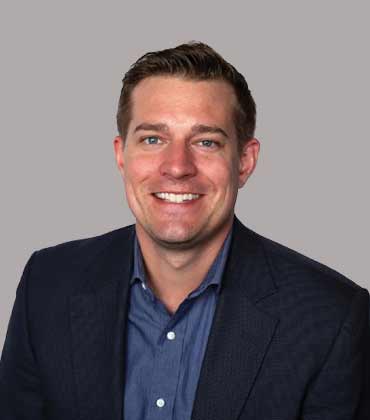
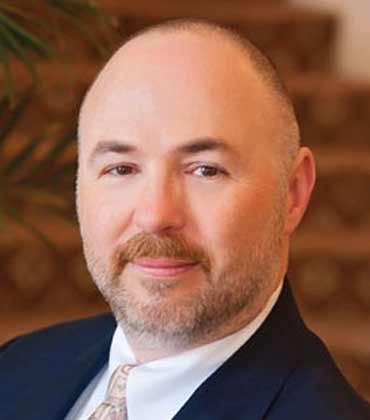
Patrick Yearout, Director of Innovation, Recruitment & Training at Ivar's
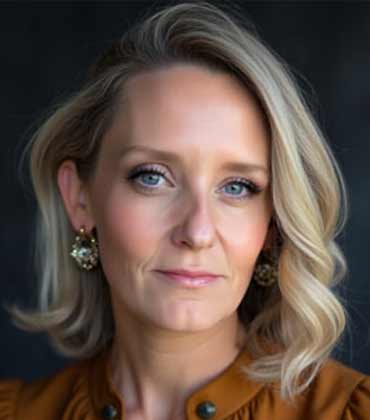
Caroline Kiesler, Director of Human Resources, Workwear Outfitters
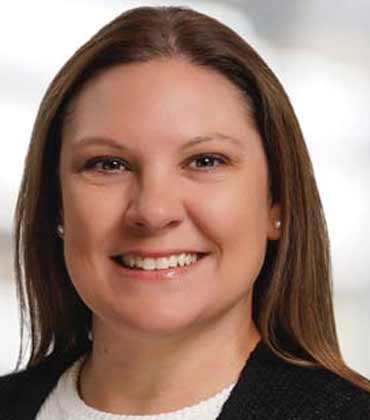
Ericca Nolan, Human Resources Director, Core & Main [NYSE: CNM]
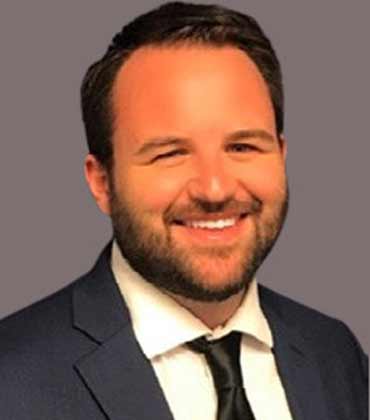
Kevin Brady, SVP, Employee Benefits Compliance Practice Leader, HUB International
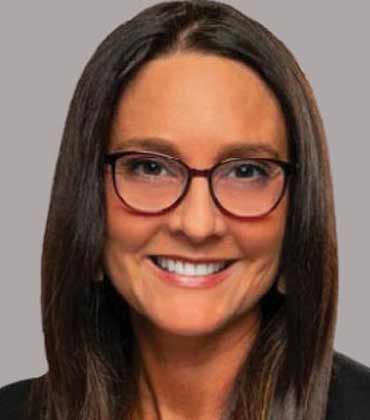
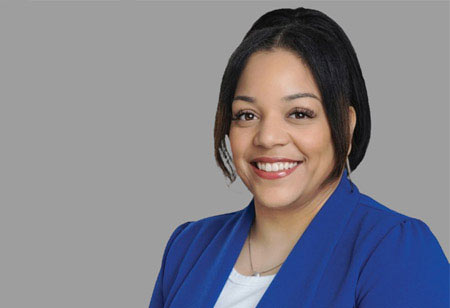
Shannon L., Director of HRIS, Real Chemistry

Leslye Kemp, Senior Manager, Leadership Development, Incyte
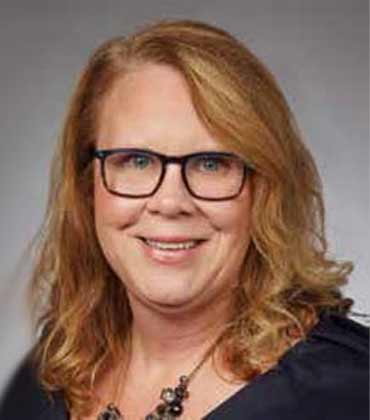
Lori Stockel, Senior Director, Enterprise Learning & Development, Breakthru Beverage Group
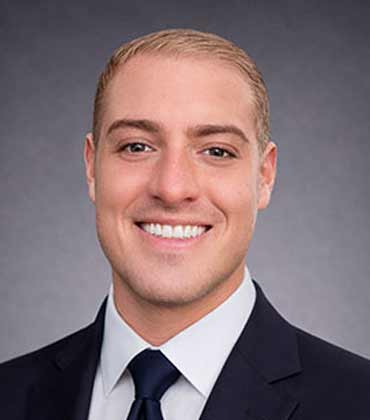
Nick Stauffer, Organizational Development Manager, MacLean-Fogg
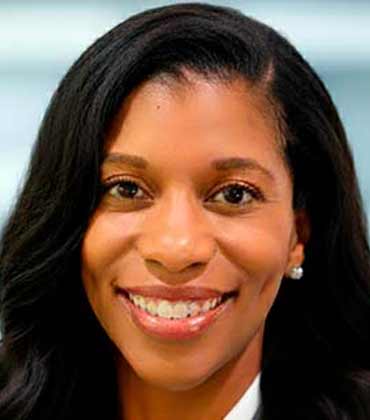
Stephanie King, Director of Training & Development, Nutramax Laboratories

Arial Montag, People & Culture Organizational Development Manager, Nordex Group

Ferne Emery, Vice President Health & Benefits Compliance Officer, Pinnacle Financial Partners
Background screening platforms streamline verification processes, improve data accuracy, support compliance requirements, and enable informed organizational decision-making.
Payroll software improves compensation accuracy, strengthens workforce administration, supports regulatory compliance, and enhances operational efficiency across organizational payroll management.
Building Connected Workforce Systems for the Future of HR
Among the companies featured in this edition, Paylocity, recognized as the Top Payroll Software 2026, demonstrates how organizations are bringing payroll, HR operations and workforce management together to improve efficiency, strengthen compliance and create a more connected employee experience across increasingly distributed work environments.
Yardstik, recognized as the Background Screening Platform of the Year 2026, is helping organizations strengthen workforce screening through continuous monitoring, identity verification and fraud detection capabilities designed to support faster and more reliable hiring decisions. Shannon L., Director of Real Chemistry, recognized among the Top HRIS Leaders 2026, reflects the growing role of HR technology leadership in automation, workforce operations and employee experience initiatives across modern organizations.
Omega Benefits, recognized as the Top Employee Benefits Website Provider 2026, is improving benefits communication through employee focused digital platforms designed to simplify access, navigation and employee engagement with benefits programs. Titus Talent Strategies, recognized as the Top AI Powered Talent Acquisition and Optimization Solution 2026, combines AI-enabled sourcing with recruiter-led engagement to support hiring, workforce optimization and stronger passive candidate outreach.
This issue also features insights from Rob Zell, Director of Learning and Development at Reece USA, and Arial Montag, People & Culture Organizational Development Manager at Nordex Group, Both highlighted the need to align workforce development with long-term business goals and overall organizational growth.
The organizations and executives featured in this edition reflect how HR technology is evolving around connected systems, operational efficiency and employee-focused workforce strategies. Their perspectives and solutions highlight the changing priorities shaping hiring, workforce management, employee engagement and HR operations. We invite our readers to explore the insights shared throughout this issue and the ideas shaping the future of work.